Table of Contents
Climbing Mount Fuji, or Fujisan in Japanese, is more than a physical test; it’s a journey to the very heart of Japanese cultural heritage and breathtaking natural beauty. Japan’s highest peak, Mount Fuji, is a sacred mountain in Japanese culture and has inspired artists for centuries.
Whether you take the popular Yoshida Trail from Yamanashi Prefecture or opt for quieter routes like Subashiri or Gotemba, reaching the summit offers not only amazing views but also a deep sense of achievement. Yet, the experience doesn’t end there; unwinding in volcanic hot springs, immersing yourself in the traditions, or exploring the picturesque landscapes of Fuji Hakone Izu National Park are equally rewarding.
This guide will introduce you to the best ways to relax, embrace local culture, and continue your adventure after conquering this iconic mountain.
Unwinding at Onsen Resorts
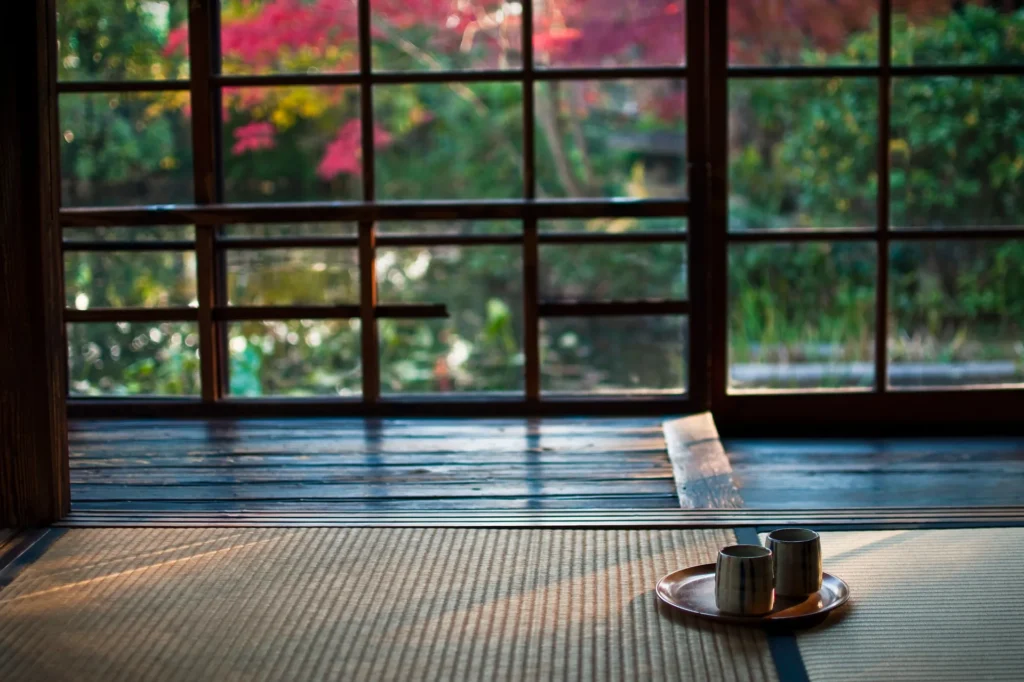
Yamanakako Onsen Village
After the exhilarating climb up Mount Fuji, nothing compares to soothing your tired muscles in the tranquil hot springs of Yamanakako Onsen Village. Nestled near Lake Yamanaka, one of the Fuji Five Lakes, this onsen area offers a peaceful retreat surrounded by lush nature and spectacular views of Mount Fuji.
A standout spot here is Yamanakako Onsen Benifuji no Yu, where you can enjoy open-air baths that perfectly frame the mountain, allowing you to soak while taking in the iconic Fuji views. The alkaline waters are famed for their skin-smoothing effects, providing both physical relief and a touch of rejuvenation after your climb.
Whether it’s the vibrant greenery in summer, the fiery foliage in autumn, or the rare “Red Fuji” glow in winter mornings, the scenery alone makes this onsen village a restorative highlight for climbers.
Fuji Kawaguchiko Onsen Town
Another excellent choice for unwinding post-climb is the Fuji Kawaguchiko Onsen Town, situated near Lake Kawaguchi. This town boasts a variety of mountain huts and modern spa facilities where you can soak your weary legs while admiring sweeping views of Mount Fuji. The hot springs here are perfect for those who want to extend their Fuji mountain experience with a blend of relaxation and luxury.
Kawaguchiko Onsen also serves as a gateway to exploring the scenic Fuji Hakone Izu region, combining natural beauty with cultural delights. Many visitors choose to end their Fujisan climbing day tours by indulging in these hot springs, followed by sampling local cuisine to round off an unforgettable day.
Cultural Experiences around Mount Fuji
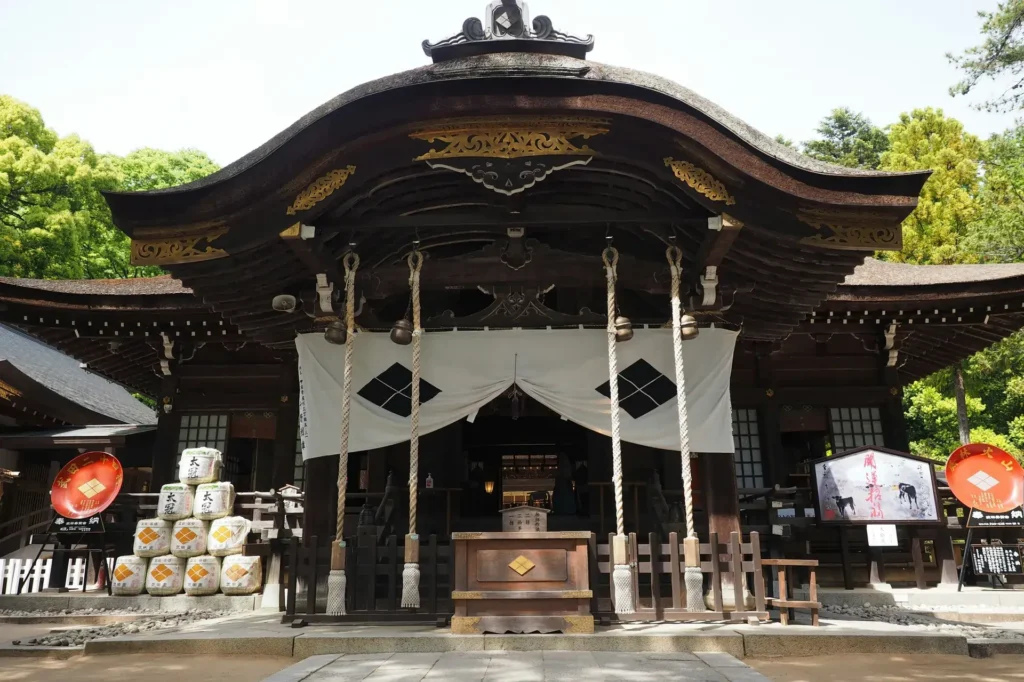
Visit Fujiyoshida Sengen Shrine
After conquering Fuji’s slopes, please slow down and soak in its soul at the Fujiyoshida Sengen Shrine(officially called Fujisan Hongu Sengen Taisha). For centuries, this sacred place deeply connected to the mountain has welcomed climbers seeking blessings and reflection.
Wander through peaceful woods, admire the timeless architecture, and feel the weight of history in its artifacts. It’s more than just a shrine; it’s the heart of Fuji’s spiritual story in Yamanashi.
Many climbers say visiting here changes how they see Fuji. It’s not just a giant peak anymore, but a living symbol of faith, culture, and what it means to be part of this land.
Exploring Local Cuisine
To truly savor the region, dive into the local cuisine around Mount Fuji, which offers distinctive flavors born from the surrounding nature and culture. In Yamanashi Prefecture, try Houtou, a hearty local noodle dish made with thick, flat noodles simmered in miso broth alongside seasonal vegetables like pumpkin.
It’s a beloved comfort food known for warming up tired climbers. Nearby in Shizuoka Prefecture, you can sample Shizuoka Oden, distinguished by its rich, dark broth and unique ingredients like black hanpen fish cake. For something crispy and satisfying, Mishima Croquettes made from locally grown Mishima potatoes offer a delicious treat.
These regional specialties don’t just fill your stomach, they connect you to the land and culture surrounding Mount Fuji, making your culinary experience an essential part of your post-climb adventure.
Continuing the Adventure
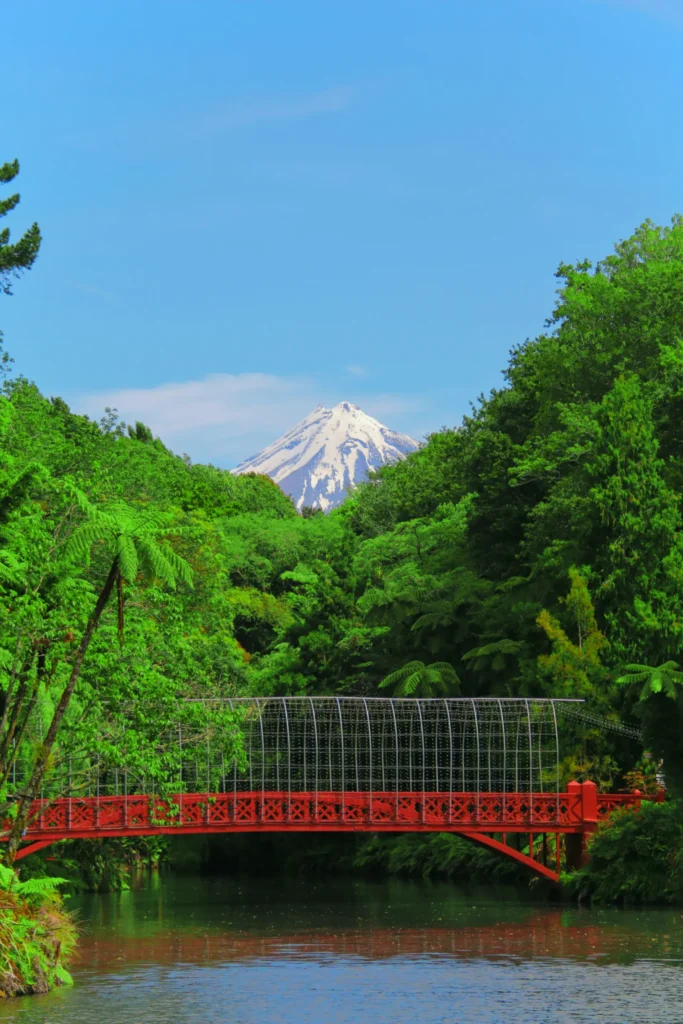
Forest Adventure Fuji
Seeking more thrills after conquering Fuji? Forest Adventure Fuji delivers exhilarating outdoor activities perfect for all ages and abilities. This unique treetop park allows you to challenge yourself with a variety of courses, including zip lines, rope bridges, and obstacle challenges, all set amidst the stunning natural forest at the foot of Fuji.
For mountain biking enthusiasts, there’s also a thrilling trail adventure that lets you ride through the woods, soaking in fresh air and capturing views of the iconic mountain from new perspectives. Forest Adventure Fuji blends the thrill of adventure sports with the serene beauty of the surrounding landscape, making it a perfect way to extend your Fuji exploration beyond the summit.
Lake Activities
The Fuji Five Lakes region offers a playground of water activities to complement your mountain climbing experience. At Lake Kawaguchi and Lake Yamanaka, you can enjoy canoeing, stand-up paddleboarding, and cycling along breathtaking lakeside routes, all with Mount Fuji majestically rising in the background. These lakes are ideal for taking a dip while you surround yourself with nature or to take part in guided tours that familiarize you with the environment and culture of the area.
Whether you paddle quietly across glassy lakes or ride scenic bike paths, lake activities offer a welcome means of extending your journey and engaging with the region’s natural beauty year-round.
Conclusion
Climbing Mount Fuji is a lifetime experience that blends a physical challenge with the region’s rich cultural heritage and breathtaking natural beauty. To ensure a safe and enjoyable climb, prepare yourself physically and equip properly to tackle the mountain’s unpredictable weather and steep trails.
After reaching the summit, reward yourself by relaxing in the soothing onsen resorts of Yamanakako or Fuji Kawaguchiko. Don’t miss the chance to explore the sacred Fujiyoshida Sengen Shrine and indulge in local delicacies to deepen your connection with the area. For those seeking to extend their adventure, outdoor activities such as Forest Adventure Fuji and serene lake excursions offer more opportunities to explore.
Embrace these moments to fully appreciate the magic of Mount Fuji and its surroundings; your journey is only beginning.
FAQs
What are the best ways to relax and rejuvenate after climbing Mount Fuji?
After climbing Mount Fuji, some of the best ways to relax include staying hydrated by drinking plenty of water, eating energy-rich snacks like granola or bananas, and ensuring you rest thoroughly to recover from exhaustion and the effects of altitude. Using hiking poles during your descent can also help reduce strain on your knees.
Wearing warm clothing and engaging in gentle movements can aid in muscle recovery.
How can I take care of my knees and prevent pain during the descent from Mount Fuji?
To protect your knees and prevent pain during the descent, wear high-cut trekking shoes with stiff soles and use trekking poles to minimize strain and maintain balance. Knee supporters can provide compression and heat retention, which are beneficial for added support. Descend slowly, pacing yourself, and avoid rushing to conserve energy and focus.
What are some recommended local experiences or places to visit after finishing the Mount Fuji climb?
After your Mount Fuji climb, explore local attractions such as the Mount Fuji Panoramic Ropeway at Kawaguchiko Tenjoyama Park for stunning views. Visit Oshino Hakkai, a traditional village with spring ponds, or enjoy wildlife encounters at Fuji Safari Park. For thrill-seekers, Fuji-Q Highland amusement park offers exhilarating rides, while Lake Yamanaka provides opportunities for water sports like canoeing and paddleboarding.
Is it advisable to climb Mount Fuji alone, and what should solo climbers keep in mind?
Climbing Mount Fuji alone is generally not recommended for those without sufficient physical strength or climbing experience due to safety risks. Solo climbers should dress appropriately, acclimatize at the 5th Station, and bring essentials such as warm clothing, a headlamp, sufficient water, and snacks. Avoid night climbing unless you plan to stay at a mountain hut, and ensure you follow the new 2025 safety rules. Hiring a guide and being prepared for challenging conditions is strongly advised.