Table of Contents
If you’re curious to witness the astonishing beauty of Japan’s most famous landmark, a Mount Fuji day trip from Tokyo is the ideal getaway. It’s just a short journey from the vibrant capital, and this excursion combines nature, culture, and breathtaking views into a single, unforgettable experience. You can immerse yourself in the tranquillity of Lake Kawaguchi, marvel at the iconic Chureito Pagoda, or take a leisurely walk through the scenic Arakurayama Sengen Park.
A Mt. Fuji tour from Tokyo guarantees unforgettable experiences, all set against the majestic backdrop of Fuji-san. Whether you opt for a direct bus ride, a scenic train journey, or the personalized touch of a private guided Mt. Fuji tour from Tokyo, there are plenty of options to suit every traveller’s style. This guide will provide essential tips on transportation, must-visit stops, and how to capture the most stunning views of Japan’s sacred mountain. Exploring the range of things to do in Mt. Fuji ensures every moment of your journey is both enriching and memorable.
Best Time to Visit Mt. Fuji
Tips for Increasing Your Chances of Seeing Mt. Fuji
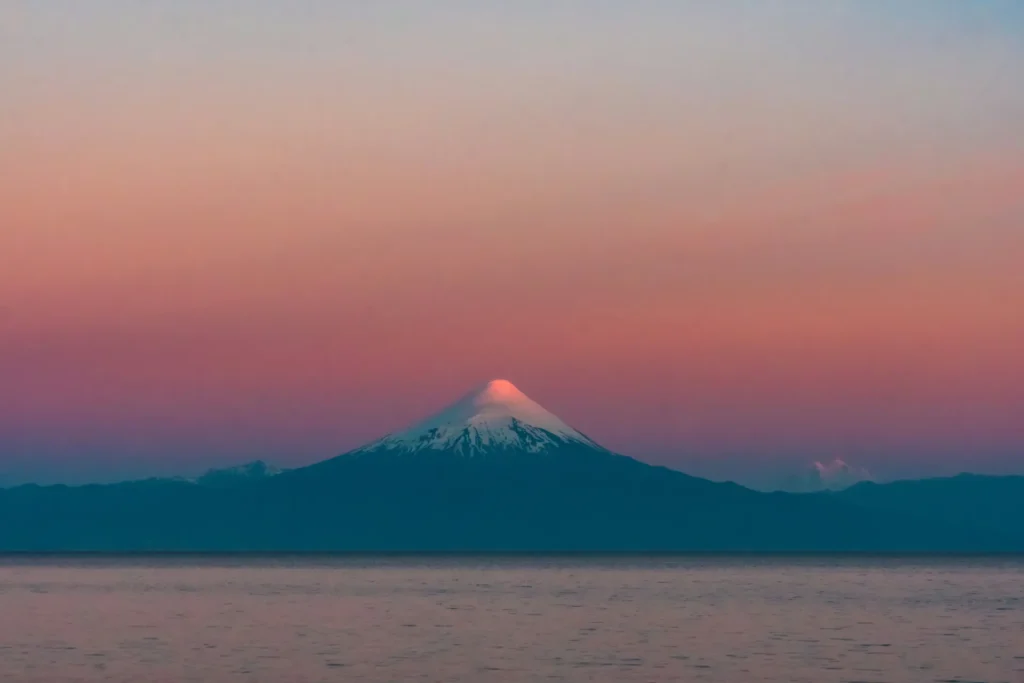
When planning your Mt. Fuji day trip from Tokyo, one of the most important factors to consider is visibility.
The iconic mountain is often shrouded in clouds, especially during Japan’s rainy and typhoon seasons, which typically span from May through October. The wettest months are June and July. To increase your chances of clear views, aim to visit during the drier months of late autumn, winter, or early spring when cold, crisp air leads to better visibility. Keep in mind that summer—while the official climbing season—is generally less ideal for scenic views due to humidity and clouds.
Monitoring local weather forecasts daily will also help you catch the best window for stunning Mt. Fuji vistas during your trip.
Mt. Fuji Visibility in 2024 by Month
Visibility trends for Mt. Fuji in 2024 show marked seasonal variation. December through February generally offer the best chances, with visibility rates around 50-60%, thanks to the crisp winter air.
November is also a favourable month, with an approximate 57% chance of spotting a clear view of the mountain. Conversely, May through August have lower visibility rates, with June being the most challenging month, offering only about a 10% chance of clear views due to the rainy season and typhoons.
July and August, despite being peak climbing months, often present poor views, with many days obscured by clouds. Planning your Mt. Fuji day trip from Tokyo around these visibility patterns can significantly enhance your experience, ensuring you enjoy the best possible views of this majestic landmark. For those searching for other incredible things to do in Mt. Fuji, there’s no shortage of scenic spots and cultural highlights that can make your visit truly special.
Planning Your Mt. Fuji Adventure
Common Stops on a Day Tour to Mt. Fuji
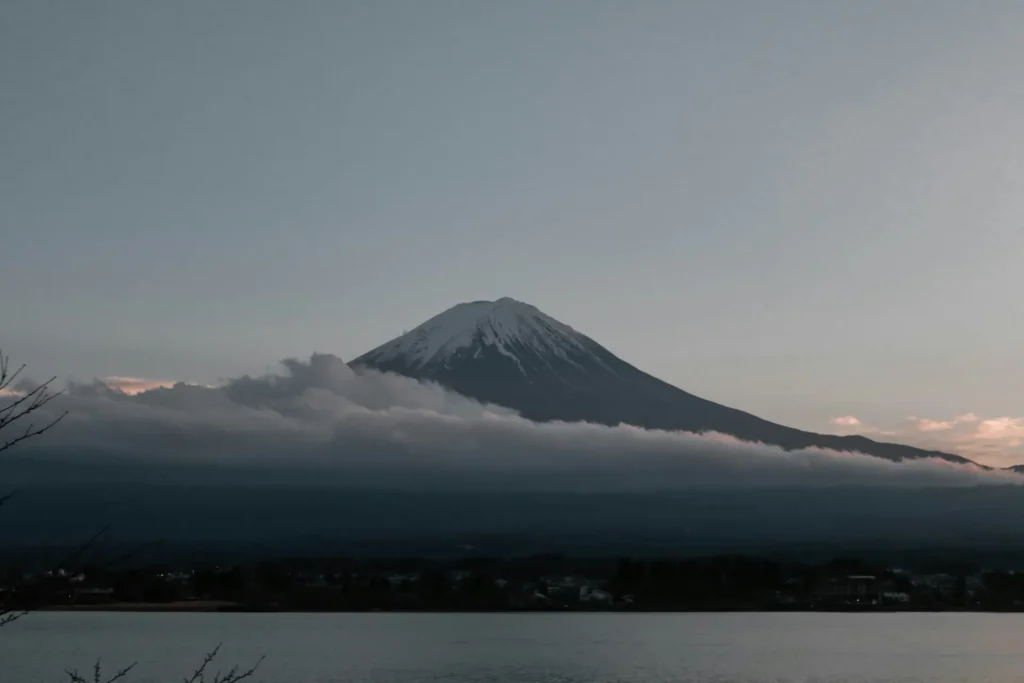
When embarking on a Mount Fuji day trip from Tokyo, several popular stops offer unforgettable experiences and iconic views. One of the most famous is Chureito Pagoda, located in Arakurayama Sengen Park. Here, you can climb a set of stairs to a viewpoint that perfectly frames Mt. Fuji behind the striking pagoda.
Another must-see is Lake Kawaguchi, which provides beautiful lakeside views and tranquil walking paths, such as those in Oishi Park. This area is abundant with seasonal flowers that enhance the stunning vistas of Mt. Fuji.
For an immersive cultural experience, many tours include a visit to Saiko Iyashi no Sato Nenba, a traditional thatched-roof village near Lake Saiko. This charming spot offers a glimpse into historic Japanese rural life. Additionally, the Mt. Kachikachi Ropeway, located near Kawaguchiko Station, takes visitors up to Tenjoyama Park for breathtaking panoramic views of Mt. Fuji and the surrounding landscape. These locations are highly recommended, whether you’re planning an independent trip or joining a well-organized Mount Fuji tour from Tokyo.
These stops are often featured in well-organized bus tours departing from Tokyo, ensuring a well-rounded day of sightseeing and countless photo opportunities.
How to See Mt. Fuji On Your Own
If you prefer exploring without a tour group, visiting Mt. Fuji independently from Tokyo is straightforward, thanks to Japan’s excellent public transportation system. Take a direct bus or train to the Fuji Five Lakes area, with Kawaguchiko Station serving as a central hub.
Once there, local buses or rental bikes can help you reach key viewpoints, such as Lake Kawaguchi, Arakurayama Sengen Park, and Oishi Park. For a unique perspective, consider riding the Mt. Kachikachi Ropeway to enjoy the stunning mountain views from above.
Planning your route allows flexibility to linger at your favourite spots or discover hidden gems, such as Oshino Hakkai, a picturesque village renowned for its crystal-clear springs. However, if you prefer guidance or hassle-free transportation, joining a Mt. Fuji tour from Tokyo with an English-speaking guide is a convenient option to maximize your day trip experience.
Additional Tips for a Smooth Journey

What to Pack
Pack smart for your Tokyo to Mt Fuji day trip: the right gear turns a good journey into an unforgettable one. Trust us – comfy shoes and layers are your best allies on the mountain. For a day trip, you won’t need extensive climbing gear, but consider bringing a few essentials, such as a backpack, sunscreen with high SPF, and a hat to protect yourself from the sun. Comfortable shoes or hiking boots are highly recommended, especially if you plan to explore the trails around Lake Kawaguchi or other scenic spots. Don’t forget to bring layers, as the temperature can vary significantly throughout the day, particularly if you’re visiting early in the morning or later in the evening.
Lastly, stay hydrated by packing water and snacks. You may also want to bring a power bank for your phone or camera to capture all the breathtaking views without worrying about running out of battery.
Where to Stay While in Tokyo
For travellers planning to explore Mt. Fuji on a day trip from Tokyo, choosing the right accommodation in the city can make a big difference. Consider staying in areas like Shinjuku, Shibuya, or Ueno, which offer proximity to major train stations and bus terminals, making it easier to catch early morning buses or trains to the Fuji area.
These districts are also well-connected to various parts of Tokyo, allowing for a seamless exploration of the city during your downtime. Additionally, staying in these central locations offers access to a varied range of cuisines and cultural attractions, enhancing your overall experience in Tokyo before and after your Mt. Fuji adventure.
Conclusion
As you plan your Mt. Fuji day trip from Tokyo, take the time to choose the best season for clear views, pack appropriately, and consider both guided tours and independent travel options. Must-visit stops, such as Chureito Pagoda and Lake Kawaguchi, promise stunning scenery that will take your breath away. Whether you’re exploring the many things to do in Mt. Fuji or simply enjoying the tranquillity of the area, your journey is sure to be unforgettable.
Staying updated on weather conditions and a well-planned itinerary means less stress and more time for what matters. Don’t miss the chance to fully immerse yourself in Japan’s natural beauty and rich cultural heritage. Book your adventure, gather your gear, and prepare to meet Fuji not just with your eyes but with your soul. Return with more than photos – with stories that linger.
FAQ
What are the best transportation options for a day trip to Mt. Fuji from Tokyo?
For a day trip to Mt Fuji from Tokyo, consider the following options:
- Train: Take the Chuo Line from Shinjuku to Otsuki, then transfer to the Fujikyuko Line to Kawaguchiko Station. This route takes about 1 hour and 50 minutes and costs approximately 1,600 yen.
- Bus: Highway buses provide a direct route from Shinjuku, costing about 1,800 yen.
- Group Tour: Ideal for simplicity and convenience, especially if you prefer a hassle-free experience.
When is the ideal season to visit Mt. Fuji on a day trip from Tokyo?
The best time to visit Mt. Fuji for a day trip from Tokyo is during the winter months (December to February). During this period, visibility is at its highest, thanks to clear skies and the stunning snow-capped peaks. Alternatively, October and November are also great options, offering good visibility alongside vibrant autumn foliage.
What should I pack and prepare for a day trip to Mt. Fuji to ensure a comfortable experience?
To ensure a comfortable experience on your day trip to Mt. Fuji, pack the following essentials:
- Layered clothing (base, mid, and waterproof outer layers)
- Sturdy hiking boots
- Backpack (20-35 liters)
- Headlamp and spare batteries
- Rain gear (jacket and pants)
- Sunscreen and sunglasses
- Water (at least 2 litres)
- Snacks
- First aid kit
- Cash for huts (credit cards are not accepted)
Are guided tours or self-guided trips better for visiting Mt. Fuji from Tokyo in one day?
Guided tours are often the better choice for a one-day visit to Mt. Fuji from Tokyo. They offer convenience, take care of complex transportation arrangements, and ensure you can see key sights without the stress of planning.
On the other hand, self-guided trips offer flexibility and provide a more personalized experience. However, they require careful planning and navigating multiple transfers. Guided tours are ideal for those short on time or unfamiliar with local transit systems.