Standing at 3,776 meters (12,389 feet), Mount Fuji is more than just Japan’s tallest peak. It’s not just Japan’s highest mountain – it’s a national treasure, a UNESCO World Heritage Site, and honestly, the ultimate hiking adventure. But here’s the thing: timing is EVERYTHING. Get it right, and you’ll see the most breathtaking sunrise of your life over this crazy sea of clouds. Get it wrong? Well, let’s say you might be dealing with blizzards, insane winds, or even getting slapped with a fat fine for hiking when you shouldn’t.
In this guide, I’m gonna walk you through exactly when you should (and definitely shouldn’t) hike Fuji. We’ll cover all the need-to-know stuff – weather, how to avoid the crowds, what gear you’ll need, and all the new rules for 2025. Whether it’s your first big hike or you’re a seasoned pro, I’ll help you plan the perfect Fuji adventure.”
Why Timing Matters on Mount Fuji
Mount Fuji’s official climbing season (July–early September) exists for a reason: outside these months, the mountain becomes a death trap. Winter brings -20°C (-4°F) temperatures, hurricane-force winds, and avalanches. Spring and autumn may seem mild at the base, but snow lingers above 2,500 meters (8,200 ft), and trails are officially closed.
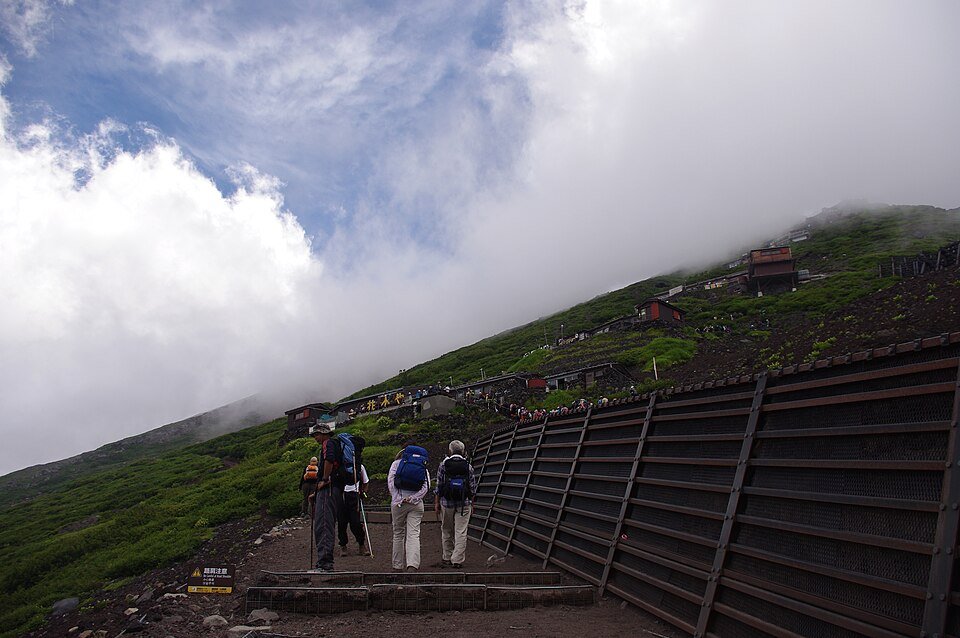
Even in summer, conditions can shift rapidly. Sunny skies at the 5th Station can turn into thunderstorms, whiteouts, or hypothermia-inducing winds near the summit. That’s why planning your hike around weather, crowds, and personal fitness is crucial.
Mount Fuji Hiking Seasons: A Detailed Breakdown
1. Summer (July–Early September): The Only Safe Time for Most Hikers
✅ Best for: First-timers, casual hikers, those who want amenities (mountain huts, open trails).
❌ Worst for: Hikers who dislike crowds or prefer solitude.
Weather & Trail Conditions
- Daytime temps at 5th Station: 15–25°C (59–77°F)
- Summit temps at night: 0–5°C (32–41°F), feels like -5°C (23°F) with wind chill.
- Rain & thunderstorms: Frequent in July (Japan’s rainy season), clearer in August.
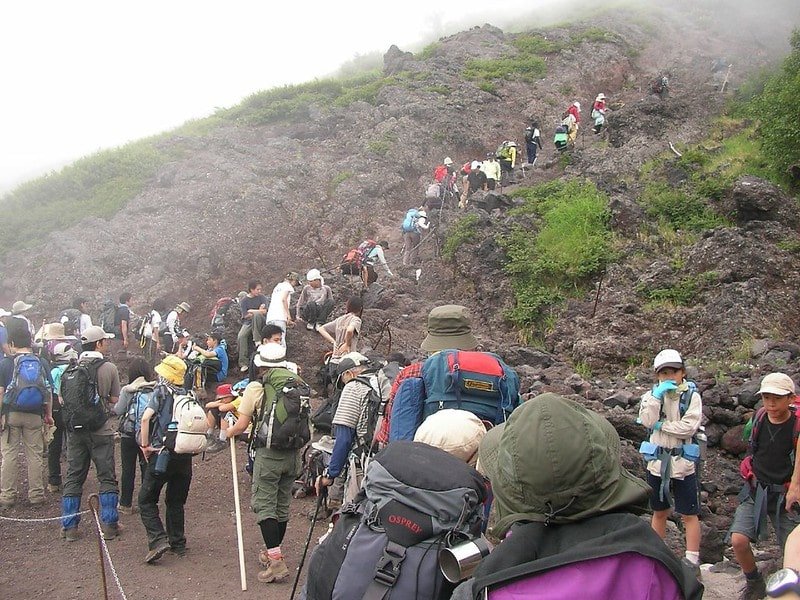
It is the only time all four trails are open and fully maintained. Mountain huts operate, buses run regularly, and rescue services are active. However, over 200,000 people climb annually, with more than 4,000 per day on the Yoshida Trail during peak weekends.
Crowd Management Tips
- Hike on weekdays (avoid Obon Festival in mid-August).
- Start early (5 AM) to avoid bottlenecks at the 6th–8th Stations.
- Pick a less crowded trail:
- Yoshida Trail (most popular, best for beginners)
- Fujinomiya Trail (steeper, faster, fewer crowds)
- Subashiri Trail (forested route, quieter)
- Gotemba Trail (longest, least crowded)
2025 New Rules
- Mandatory ¥4,000 conservation fee (paid online in advance).
- No “bullet climbing” (overnight hikes without rest). Gates close 2 PM–3 AM.
- Shizuoka trails require an e-learning safety course.
2. Autumn (Late September–November): Risky & Officially Closed
✅ Best for: Expert mountaineers with winter gear.
❌ Worst for: Everyone else. Illegal and extremely dangerous.
Why You Shouldn’t Hike
- Trails close by September 10–11.
- Snow starts accumulating above 2,500 meters (8,200 feet).
- No mountain huts, rescue services, or buses.
- Park rangers can fine hikers up to ¥200,000 for hiking outside of the designated season.
Some elite climbers attempt Fuji in October with ice axes, crampons, and extreme cold-weather gear, but even they risk avalanches, frostbite, and fatal falls. For most, autumn is the best time to view Fuji’s fall foliage from Lake Kawaguchiko.
3. Winter (December–February): Deadly & Forbidden
✅ Best for: Professional climbers with guided expeditions.
❌ Worst for: Everyone else. Solo hiking is banned.
Extreme Hazards
- Summit temps: -20°C (-4°F) + 100 km/h (62 mph) winds.
- Deep snow, ice, and avalanche risk.
- Zero facilities: no water, toilets, or shelter.
Guided winter climbs exist but require mountaineering experience, full ice gear, and a permit. Most hikers should admire Fuji’s snow-capped beauty from afar.
4. Spring (March–May): Cherry Blossoms at the Base, Snow Up High
✅ Best for: Sightseeing, not climbing.
❌ Worst for: Hiking trails are buried in snow.
What You Can Do Instead
- Visit Fuji Five Lakes for cherry blossoms (early April).
- Hike lower slopes like Oshino Hakkai.
- Photograph Fuji from Chureito Pagoda.
Any attempt to climb in spring is suicidal without professional gear.
Key Factors When Choosing Your Hike Time
1. Fitness & Altitude Sickness
- 50% of hikers experience altitude sickness (headaches, nausea).
- Acclimatise at the 5th Station (2,300m) for 1–2 hours before ascending.
- Climb slowly (1,000 ft/hour max) to adjust.
2. Crowds vs. Solitude
- Want company? Hike Yoshida Trail in mid-August.
- Prefer solitude? Try Gotemba Trail in early July.
3. Weather Preparedness
- Always pack rain gear (avoid ponchos, as they tend to tear in the wind).
- Check hourly forecasts via Fuji Navi app.
Essential Gear Checklist
| Item | Summer | Autumn/Winter |
|---|---|---|
| Waterproof jacket/pants | ✅ | ✅ ✅ |
| Insulated gloves/hat | ✅ | ✅ ✅ |
| Crampons/Ice axe | ❌ | ✅ ✅ (Winter only) |
| Headlamp (for night hikes) | ✅ | ✅ ✅ |
| Cash (¥5,000+ coins for toilets) | ✅ | ✅ ✅ |
Final Verdict: When Should You Hike?
- First-timers: Mid-July to late August (Yoshida Trail, weekday).
- Experienced hikers: Early July (Subashiri Trail for fewer crowds).
- Never hike: October–June (illegal and life-threatening).
Have you summited Fuji? Share your best tips (or horror stories) below! ⛰️👇
Pro Tip: Buy a wooden hiking stick (¥1,500) and collect branded burns at each Station as a unique souvenir! 🔥