Table of Contents
Embarking on a Mount Fuji trekking adventure is an iconic experience that attracts travellers and trekking enthusiasts to Japan’s tallest peak. Whether you aim for a day summit or a longer journey, climbing Mount Fuji offers not only a rewarding physical challenge but also stunning views. Time your ascent to witness the unforgettable sunrise from the summit for a magical experience.
The journey begins at renowned starting points, such as the Fuji Subaru 5th Station, and takes you through famous trails, including the Yoshida Trail. This adventure is not just about the climb; it’s about understanding the mountain’s unique weather, the official climbing season, and the essential preparation for a safe and memorable trek.
Whether you’re a first-time climber or a returning climber seeking to conquer the peak again, scaling Japan’s sacred mountain combines nature, culture, and personal achievement into one extraordinary experience.
The Ideal Time to Climb
Official Climbing Season
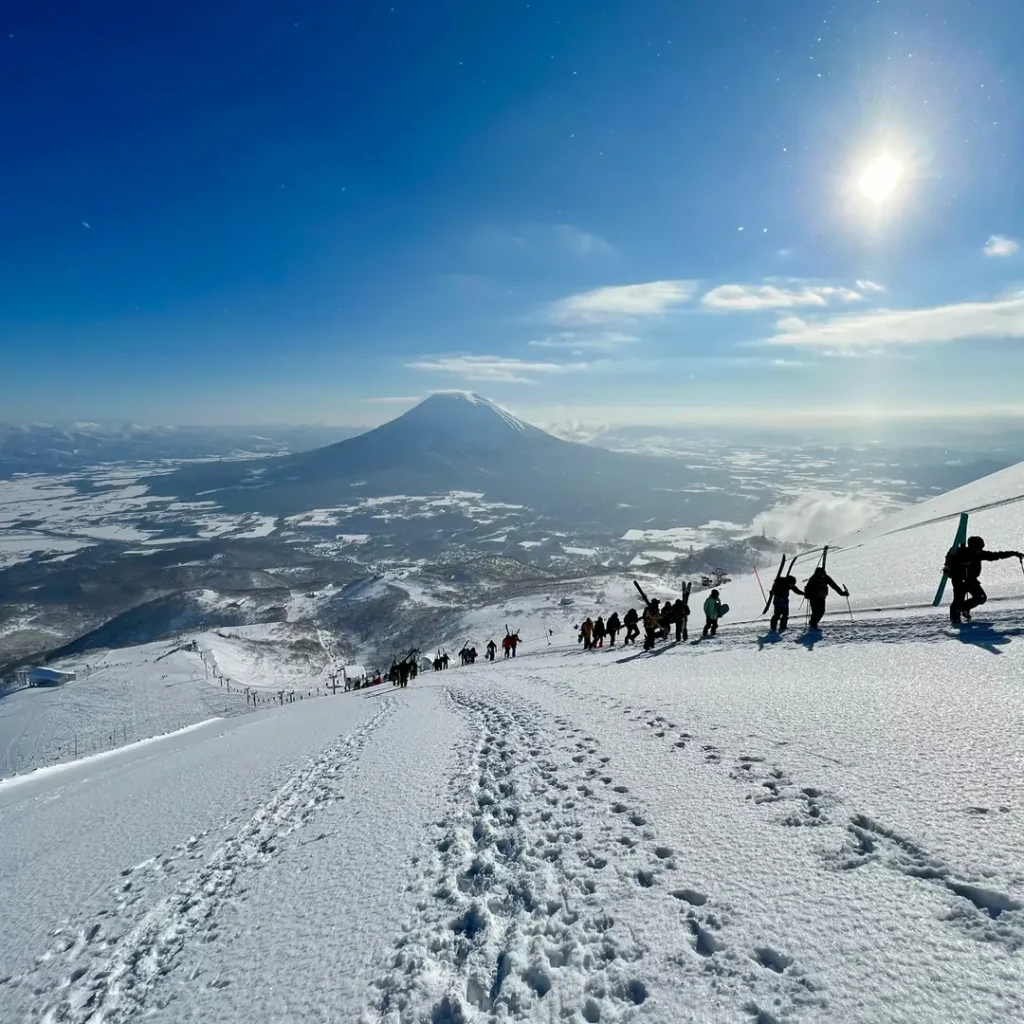
The official climbing season for Mount Fuji usually spans from early July to mid-September. For 2025, the dates are set from 1 July to September 10. During this time, the weather on the mountain is generally mild, the trails are mostly free of snow, and mountain huts along the main routes, including the renowned Yoshida Trail, are open to assist climbers. The four primary trails (Yoshida, Subashiri, Gotemba, and Fujinomiya) have staggered opening dates, with most becoming accessible by 10 July.
This season is carefully selected to ensure both safety and enjoyment. Outside these months, the risk of severe weather and icy conditions increases significantly, making the climb much more dangerous. In recent years, new measures have been introduced, including a mandatory climbing fee and daily visitor limits on some trails, to preserve the mountain and enhance the overall climbing experience.
Crowds and Solitude
The peak climbing season falls between late July and August, coinciding with Japan’s school holidays and the Obon holiday. If you plan your Mount Fuji trekking adventure during this period, expect large crowds, busy mountain huts, and bustling trails as climbers make their way to the summit.
A popular goal for many is to witness the breathtaking sunrise summit, which adds to the congestion during nighttime ascents. For those who prefer solitude and a more tranquil ascent of Mt. Fuji, early July or early September are the best times to visit.
Climbing during these quieter months allows you to experience less crowded trails, a slower and more relaxed pace, and better opportunities to capture stunning photos of the views and surrounding landscapes. No matter when you choose to climb, always check the latest Fuji weather forecast to prepare for the mountain’s famously unpredictable conditions.
Understanding the Trails
Comparing the Routes
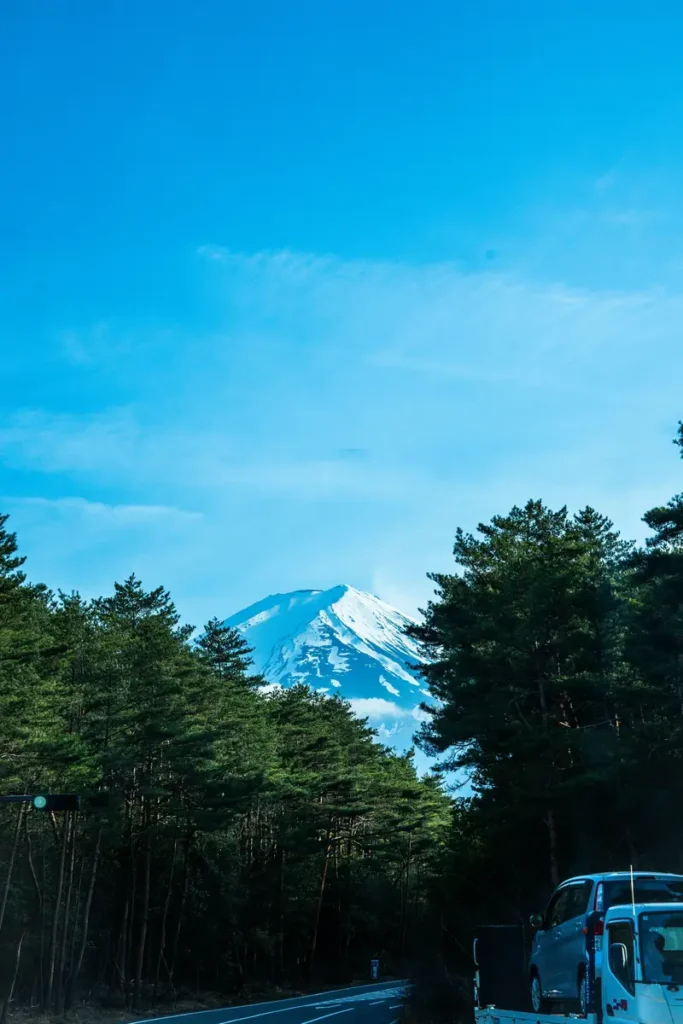
When planning your Mount Fuji trek, choosing the right trail is essential for both enjoyment and safety. The most popular route, the Yoshida Trail, is beginner-friendly and features numerous mountain huts along the way, making it an ideal choice for those new to climbing Fuji.
The ascent typically takes 5 to 7 hours and provides spectacular sunrise and summit views. The Fujinomiya Trail, while the shortest route to the summit, is also one of the steepest and most challenging paths. It is popular for its directness but requires a good level of fitness.
One drawback of the Fujinomiya Trail is that climbers won’t catch the sunrise as it approaches from the mountain’s western side. Additionally, the ascent and descent follow the same path, which can lead to congestion during busy periods.
The Subashiri Trail offers a quieter, more peaceful hiking experience through forested sections and merges with the Yoshida Trail near the summit. This trail is less crowded but has fewer mountain huts, requiring climbers to be more self-sufficient.
Lastly, the Gotemba Trail is the longest and most challenging route. It features gentler slopes but fewer facilities, making it an excellent option for experienced climbers seeking solitude and a more difficult trek.
Navigational Tips
Navigation on Mount Fuji is straightforward if you stick to the established trails, but certain precautions can help ensure a smooth ascent. Pay attention to the trail markers, which are well-placed along all major routes. Consider using a detailed map or guide if you’re unfamiliar with the terrain.
Booking your stay at mountain huts in advance is essential during the busy climbing season, as space can be limited. Since the altitude rises quickly, pacing yourself is key to avoiding exhaustion or altitude sickness.
Weather conditions in Fuji can change rapidly, so always check the Fuji weather forecast and prepare with appropriate gear. This includes layers for cold summit temperatures, rain protection, and trekking poles to aid balance during steep sections. A headlamp is also highly recommended for night ascents, allowing climbers to catch the iconic sunrise at the summit.
Physical and Mental Preparation
Training Advice
Preparing for a Mount Fuji hike requires a well-rounded approach to building endurance, strength, and stamina. Since the trek involves steep slopes, rocky terrain, and a significant altitude gain, engaging in aerobic exercises such as hiking hills, stair climbing, or running can help boost your cardiovascular fitness. Incorporating strength training that focuses on key muscle groups, especially the legs (quadriceps, hamstrings, calves, and glutes), core muscles, and upper body, is vital to support your balance and stability on uneven terrain.
Activities such as weightlifting, resistance exercises, yoga, or Pilates, performed at least two sessions a week over a couple of months before your climb, will prepare your body for the demands of Mount Fuji trekking.
In addition to physical conditioning, scheduling practice hikes on similar terrain or long walks carrying a backpack can help your body adapt to the climbing strain and improve joint resilience. The better prepared you are physically, the more enjoyable and safer your ascent and descent will be.
Mental Resilience
Climbing Mount Fuji is not only a test of physical fitness but also one of mental stamina. The climb can be long and demanding, primarily if you aim to reach the sunrise summit, which often means hiking through the night and battling fatigue and cold. Mental resilience, staying motivated, patient, and positive is crucial for overcoming challenges such as altitude sickness symptoms, unexpected weather changes, or exhaustion.
Setting realistic goals, pacing yourself carefully, and maintaining a steady breathing pattern can help manage stress and anxiety during the climb. Many successful climbers emphasise the importance of mental focus and encouragement from fellow hikers or guides in pushing through challenging moments.
Remember, the reward of witnessing panoramic views and standing at the top of Japan’s sacred mountain is well worth the effort.
Staying Safe and Comfortable

Gear Essentials
To ensure a safe and comfortable Mount Fuji hike, packing the right gear is essential. A sturdy backpack of 25-35 litres, equipped with a hip belt, will help you carry your essentials comfortably throughout the trek.
Proper footwear cannot be overstated. Waterproof, ankle-supporting hiking boots are recommended for handling variable terrain, from rocky paths to dirt trails while preventing stones from entering your shoes. Woollen clothing is key to adjusting to the mountain’s rapidly changing weather. A moisture-wicking base layer, an insulating fleece or wool layer, and a waterproof, windproof shell jacket and pants are must-haves.
Don’t forget a reliable headlamp for night ascents, gloves (preferably two pairs for both warmth and waterproofing), a hat, sunglasses, and sunscreen to protect against intense UV rays at altitude. Carrying 2 to 3 litres of water is recommended, although you can refill along the way; being prepared helps avoid dehydration. Also, make sure to bring enough cash, as credit cards are not accepted in mountain huts or on the trail.
Health Precautions
Altitude sickness is a real risk during your Mt Fuji ascent due to the rapid elevation gain to 3,776 meters. To mitigate this, pace yourself and stay well hydrated.
Ascending slowly and taking breaks, preferably overnight stays in mountain huts, can help your body acclimate.
Heads up: if a headache starts throbbing, nausea sets in, or the world spins, listen closely. That’s Fuji whispering (or shouting), ‘Slow down.’ If those symptoms dig in? Don’t push glory. Turn around. Getting lower isn’t defeat; it’s the most intelligent choice, and your body will thank you for it.
Weather conditions can deteriorate quickly, so always check the latest Fuji weather forecast before and during your climb, and be ready to turn back if necessary. Wearing appropriate warm clothing for cold summit temperatures and bringing sun protection can prevent hypothermia and sunburn, common issues on this high-altitude trek. Finally, inform someone of your trekking plans and estimated times, and consider hiring a guide, especially if it’s your first climb, for additional safety and local knowledge.
Conclusion
Climbing Mount Fuji is a rewarding challenge that requires thoughtful preparation and respect for the mountain’s unique conditions. To make the most of your journey, plan your trek during the official climbing season, select a trail that aligns with your fitness level and personal goals, and ensure you have the proper gear to stay safe and comfortable throughout the climb.
Both physical training and mental resilience are essential for managing the ascent and adapting to the mountain’s unpredictable weather. Remember to pace yourself to avoid altitude sickness and stay aware of weather forecasts at all times. Armed with these insights, you’re now ready to embark on the unforgettable experience of reaching Japan’s iconic summit. Begin your adventure wisely and savour every moment on Mount Fuji’s majestic slopes.
FAQ
What is the best period for climbing Mount Fuji during the official climbing season?
The best time to climb Mount Fuji during the official climbing season is from late July to late August. This period aligns with school vacations and the Obon holiday, offering generally clear weather but also the most enormous crowds. Want Fuji without the crowds? Aim for early July or September. You’ll trade shoulder-to-shoulder trails for crisp, quiet air – still perfect for hiking, but with space actually to feel the mountain.
Which Mount Fuji trail is considered most suitable for beginners, and why?
The Yoshida Trail is widely regarded as the most suitable route for beginners climbing Mount Fuji. This trail features a gentle slope from the 6th to 7th stations, making the ascent easier. It also provides numerous facilities such as mountain huts, first-aid centres, and vending machines, conveniently spaced about every hour to ninety minutes. Additionally, the trail is easily accessible from the Fuji-Subaru Line 5th Station. As the most popular and well-supported route, it ensures safety and comfort for new climbers.
Are mountain hut reservations mandatory for climbing Mount Fuji, and what restrictions apply if they are not made?
Yes, reservations for mountain huts on Mount Fuji, especially on the popular Yoshida Trail, are mandatory. Without a reservation, hikers face time restrictions—trails close from 4 PM to 3 AM for those without hut bookings to prevent overnight “bullet-climbing.” Reservations are required to access certain areas beyond gate closures and to secure hiking slots during the official season, from 1 July to 10 September. A payment of 4,000 yen per person is required at booking, with limited refunds available.
This system is designed to manage crowding and ensure safety on all trails.
How long does it typically take to climb Mount Fuji, and is it feasible to complete the hike in a single day?
Climbing Mount Fuji typically takes between 5 to 10 hours one way, depending on the chosen trail. Most climbers start from the Subaru Line 5th Station, requiring about 5 to 6 hours to reach the summit.
While completing the climb in a single day is feasible, it is a challenging endeavour. This approach demands a steady pace, limited breaks, and careful altitude adaptation. Many climbers prefer to spread the ascent over two days to avoid exhaustion and altitude sickness. Staying overnight in mountain huts offers a more enjoyable and safer experience.
The descent, which takes approximately 3 to 4 hours, is often considered more challenging due to the presence of loose rocks.